Sharing Nature’s Garden

Glistening coat of raindrops on my thirsty plants is a welcome sight

We were enjoying an afternoon and evening with friends yesterday. The kids were swimming. It was a typical, hot summer Central Texas day. Then the clouds rolled in and by dusk we had a nice sprinkle.
After the nice little shower, we watched the weather forecast and were thrilled to see a chance of rain every day next week. I woke this morning to the plink, plink, plink of raindrops on the roof.

The plants are eagerly drinking in every drop.

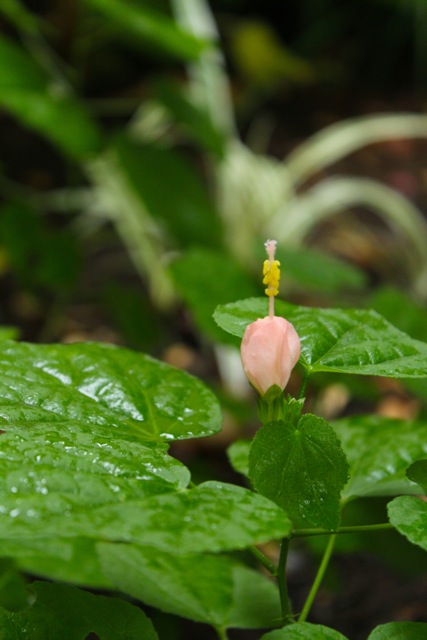
This Pam’s pink turk’s cap, planted in almost full shade by the front door, looked so pretty with a soft, new bloom and a glistening coat of rain on her leaves.

I hope there is rain in your forecast.
Tough Stuff in the Garden — drought-tolerant plants blooming in the summer heat

We’ve reached the dog days of summer in Central Texas. But then again, the dog days of summer have arrived around most of the country with this unusual and unbearable heat wave causing record temperatures everywhere you look. Some of my trusted summer bloomers are taking a little break — ready for some pruning to bring on more flowers. But there are drought-tolerant xeric plants in my garden that are taking it all in stride.

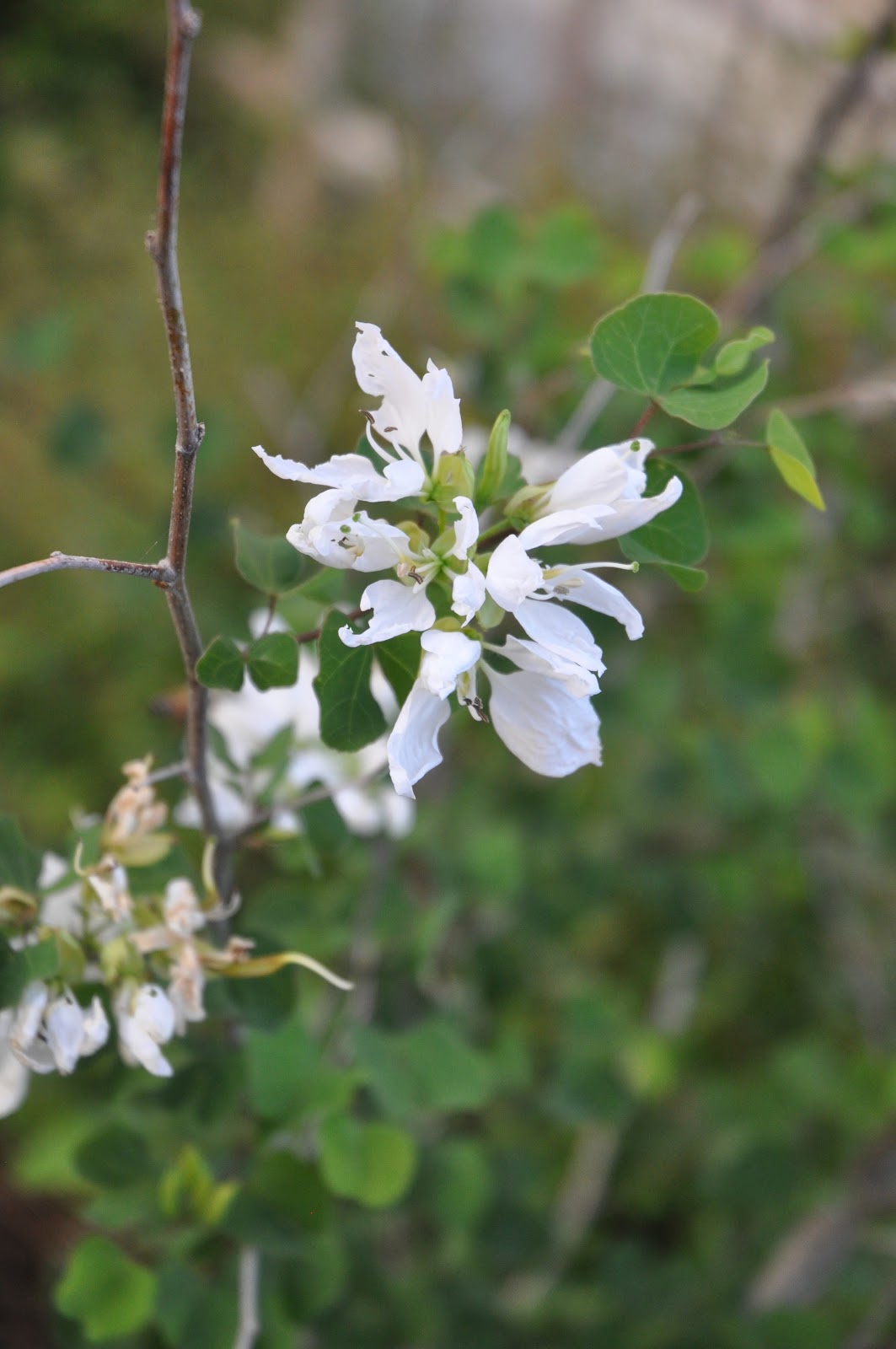
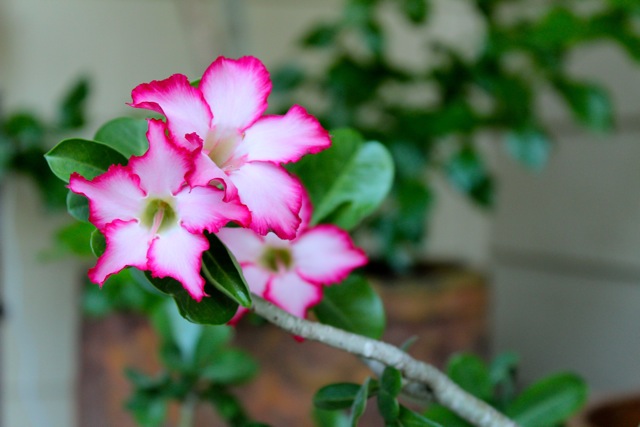
This desert rose is just starting to thrive as the heat here mimics desert-like conditions. Needless to say, I don’t really water this one.

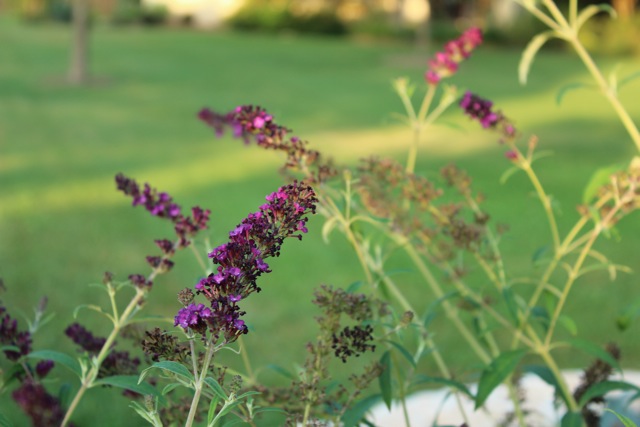
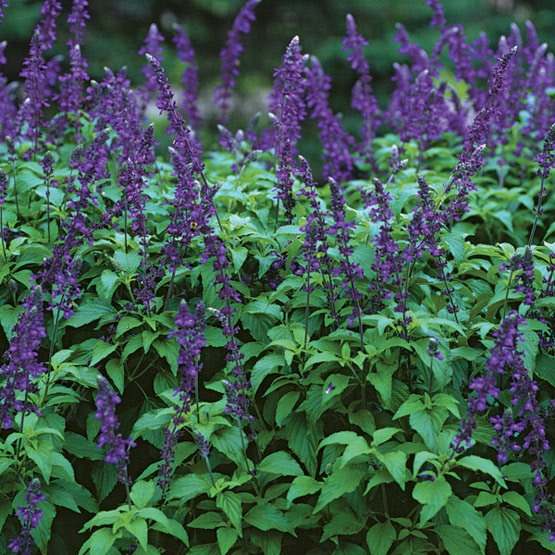
This butterfly bush is happily putting on purple plumes with only once-a-week watering because of our restrictions.

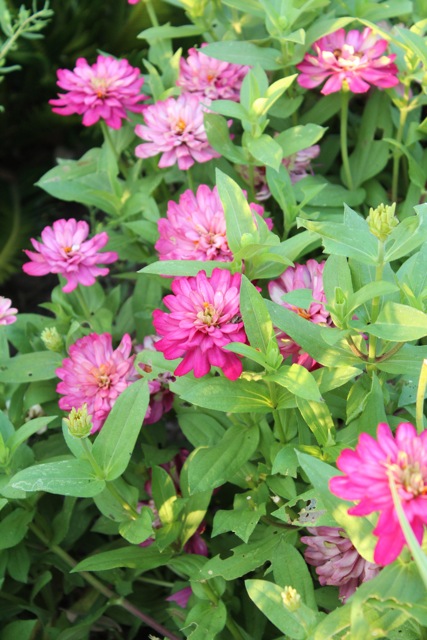
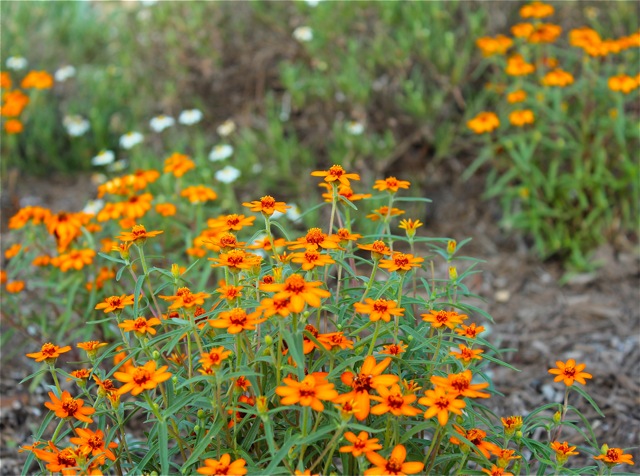
Many summer annuals are thriving, too.  Zinnias scattered throughout my beds are undaunted by the heat.  These pink cut and come again zinnias and the narrow-leaf zinnias below are both blooming away.

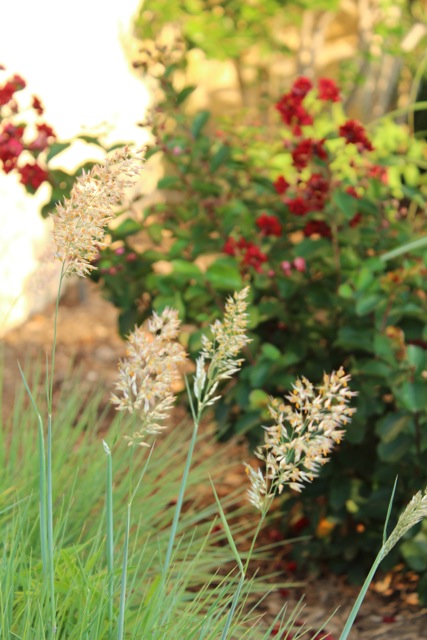
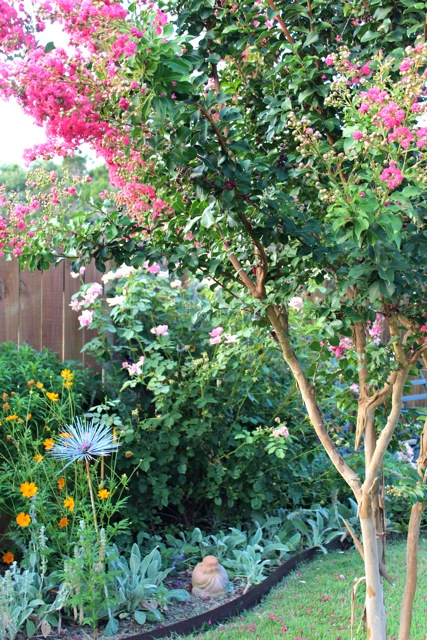
Well-adapted crape myrtle trees are also in full bloom.  This burgundy dwarf variety in the background makes a nice contrast to the ruby crystals grass blooming in front of it.  The ruby crystals are a pass-along from Lancashire Rose of Rock Rose.

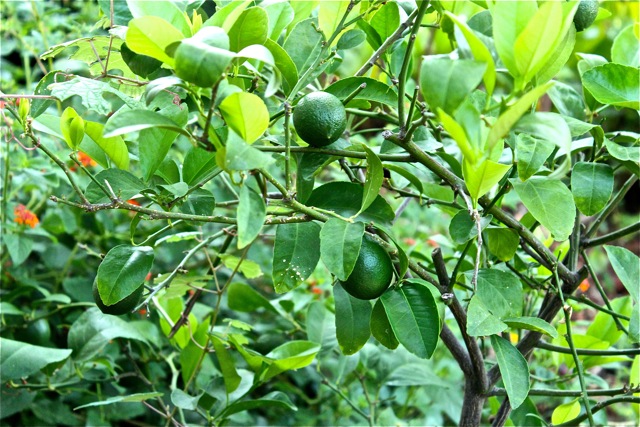
These lemons are happily growing into hardy fruit — they are in a pot so the get a drink and a little shower burst from me almost every day like they would down in South Florida.

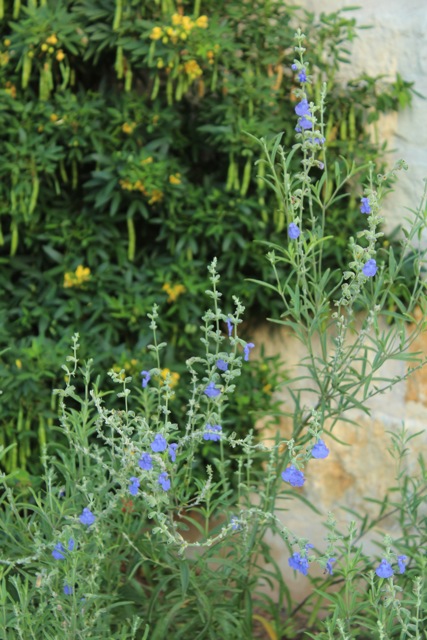
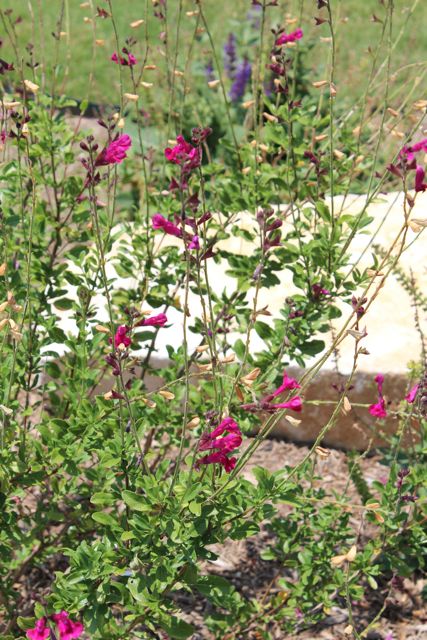
While some of my other salvias are done blooming for a bit, this pitcher sage is just getting started.

Drought-tolerant native and adapted plants are being put to the test with these dry 100+ degree days, most are surviving and some are even thriving.  They are always our best bet here in Central Texas.

 Which tough plants are powering on in your garden in this heat?

By |2017-11-29T23:27:16-06:00July 7th, 2012|Blog, Sharing Nature's Garden, Uncategorized|0 Comments

Summer perennials blooming even in the heat and drought

While some of the early spring-through-fall bloomers are taking a break in all this heat, some of the mid-summer bloomers are putting on a show.

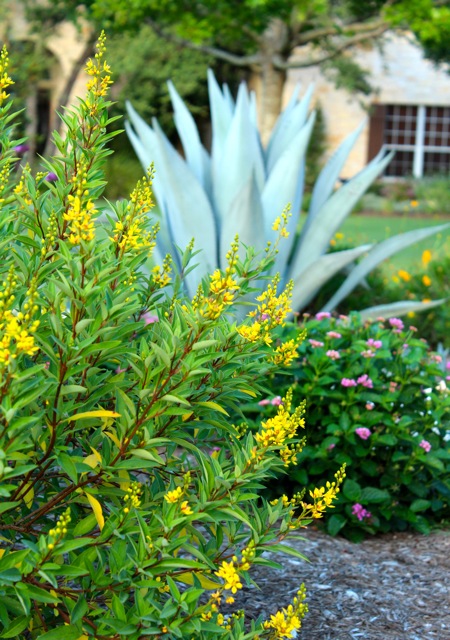
I love this thryallis in the front xeric bed.  It’s a focal point and should have plenty of room to grow and shine.

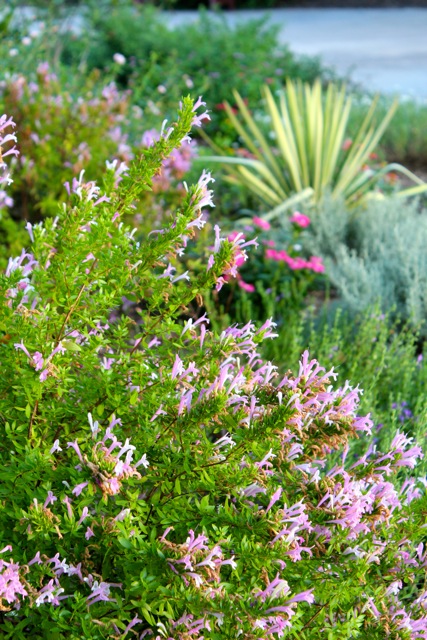
One of my all-time go-to favorite plants, Mexican oregano.  It’s tough as nails and tolerates the heat and the drought.

The the new-ish plants in the back shade bed are starting to fill in and making a lovely cool landscape.

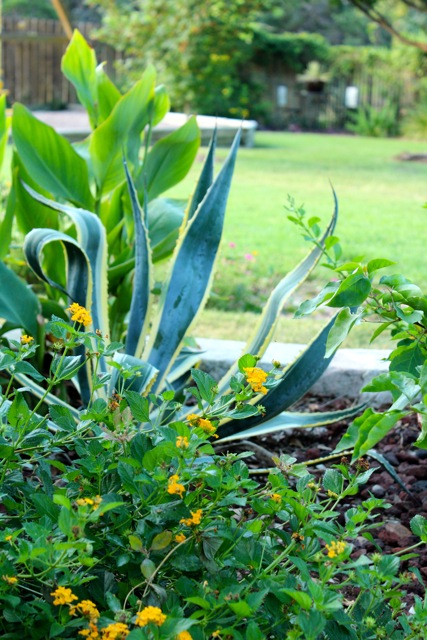
After going after the new gold lantana with a machete (just kidding, but I DO own a machete!), I can now see the agave Americana var.  I know it won’t be long before it’s a giant.

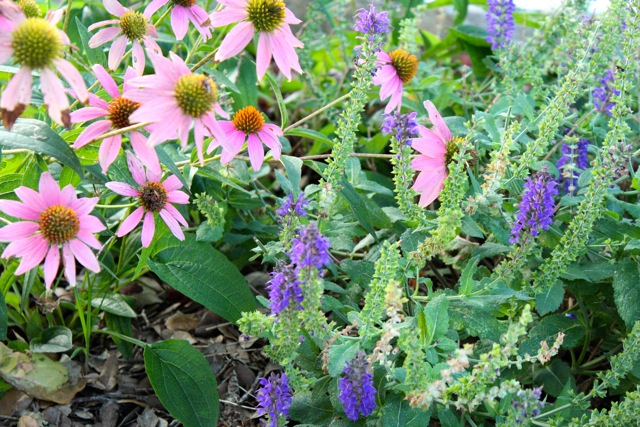
The combination of my transplanted coneflowers next to the May night salvias makes a nice contrast.

After a little pruning and clean up of the dead spring flowers last week, the cutting garden has new bloomers.  The larkspur and bluebonnets are all gone and the Klondyke cosmos, blackberry lilies and Clematis are blooming.

Now it’s time to prune all the other early bloomers so we have time for another flush of blooms.  Too hot to plant, but sadly, not too hot to prune and weed!  After 109 on Monday, today’s high of 88 with cloud cover was great and I spent a long time deadheading and pruning the lamb’s ears, narrow-leaf zinnias and the Santolina.  It was really delightful with a little breeze.

Artemesia… just keeps on growing and growing …

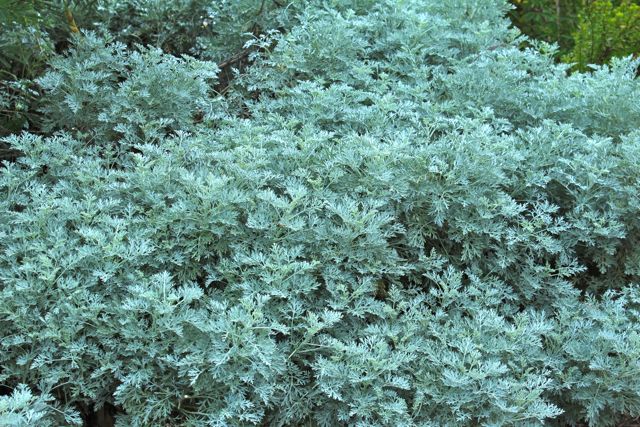
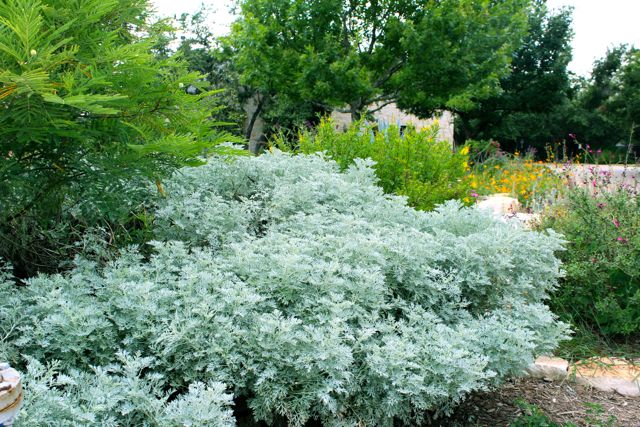
 I love artemesia ‘powis castle.’  I love the lacy, flowing foliage that softens the garden, releases a soft, herby-scent and can easily fill a large space.

Or, an enormous space.  And never stop growing.

Ever.

Ever.

 It’s great for contrast, texture and form.  But it is eating my garden.

I spend hours pruning this one so that it keeps from swallowing up the Acacia tree behind it.  Well, it used to be behind it.  Now it’s enveloped the entire tree.  And while the artemesia is soft, getting close to those Acacia thorns is no fun.

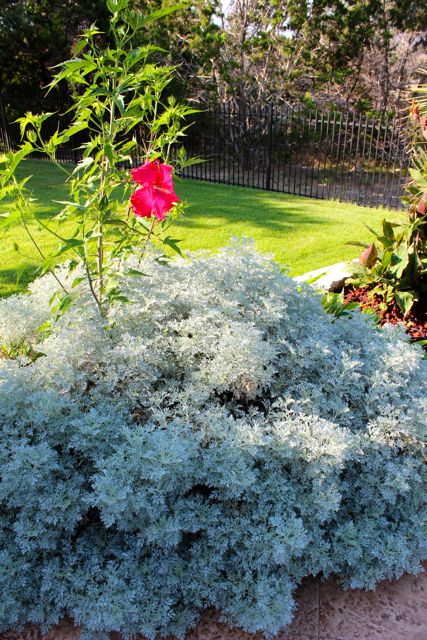
In the back yard, it’s swallowing up my ‘Lord Baltimore’ hibiscus and the variegated shell ginger that you can’t even see in this photo.

It’s common name is wormwood and it’s an herbaceous perennial that grows well from zone 6-9.  It’s advertised to get 2-3 feet tall and 1-2 feet wide.  (HA!)  It loves full sun, tolerates drought and is deer and rabbit resistant.  Perfect, right?  Well, if you have about 6-8 feet of space for it to take over.

I still love it. But next time, I’ll put it in a larger space where I don’t have to keep it pruned as much.

Sometimes my experience in my garden isn’t quite what’s printed on that little plastic label at the nursery or in my google search!

But that’s part of the fun and mystery of gardening, isn’t it?

What’s surprising you in your garden?

Moy Grande hibiscus is summer showstopper…

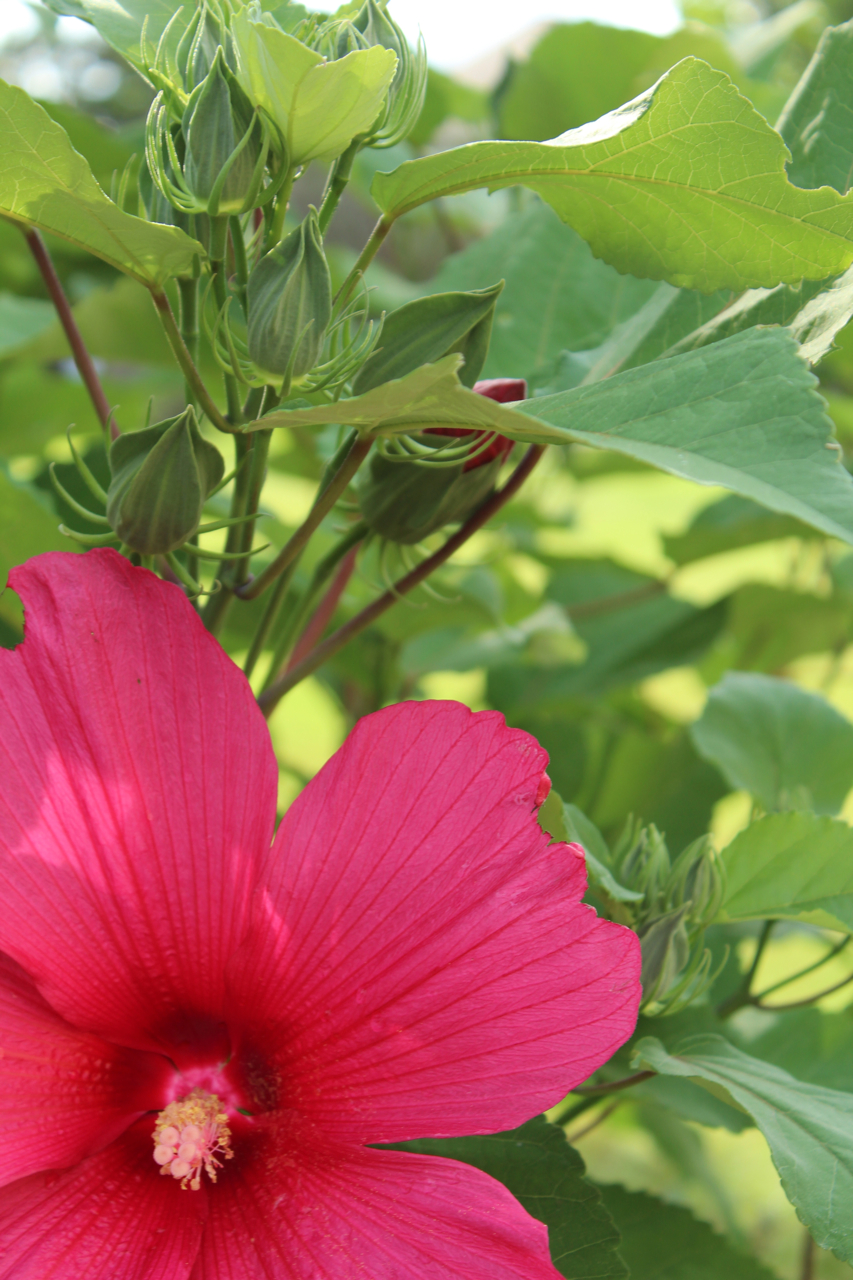
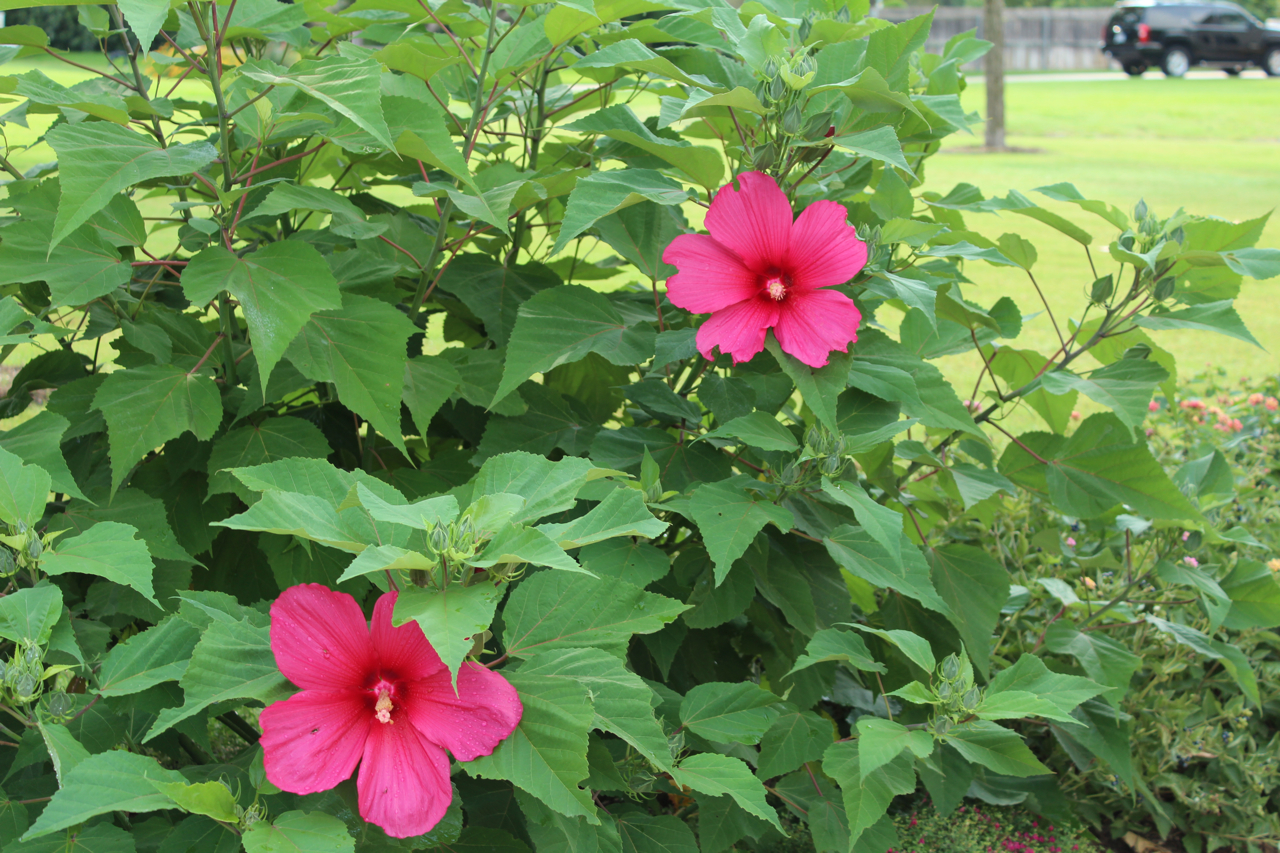
Easily one of the best show-stoppers in my garden summer after summer is this hibiscus ‘Moy grande.’ With the largest flowers recorded on a giant-flowered mallow, these blooms can get as big a 1′ across.  It gets its name from Dr. Moy of the San Antonio Botanical garden.  Many people think it’s a muy grande (meaning VERY large, in Spanish, but it’s Moy, named after Dr. Moy). 

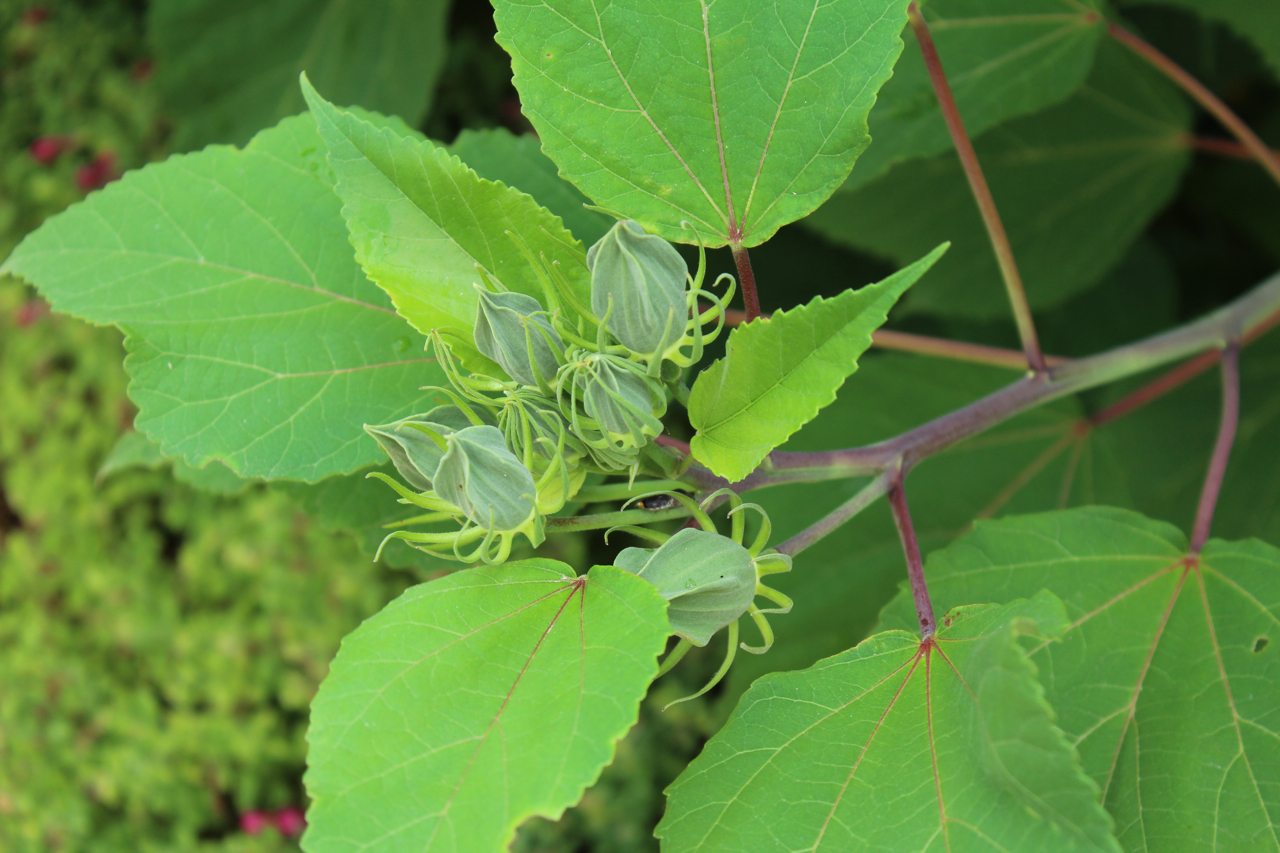
On any given summer day, I can have between 10-12 blooms on it at a time.  Today marked the first bloom day for this year, with two pretty pink blossoms.  I’ve been peering into the buds every day now for about a week, wondering when one would finally appear and I was rewarded for my impatience today!  They will continue to bloom well into the fall. 

My plant is in deer “fair game” territory, but it’s mature enough to be safe now.  The first few years after I planted it, it would get a nibble or two in early spring as it came back from the roots, but now it’s so hardy that the deer are no longer interested in it.

It tolerates alkaline soil and is hardy to Zone 5.  It loves FULL Texas sun and gets 5 x 5, though mine is about 6′ tall right now.  Fairly easy to grow from the seeds.

Go to Top