Sharing Nature’s Garden

Replenishing, rejuvenating rain in the garden…

We’ve been given another gift of rain this week. Tied up in a lovely wet bow, our gardens are drinking it in, happy to have the thirst-quenching relief from our frightening drought.

We’re not out of the woods yet in Central Texas — we’re still in an official drought. But our fall and winter rains have reduced the severity of the drought. It has been down-graded from the most critical level of last summer — exceptional — to moderate. (There are five levels outlined by the U.S. Drought Monitor – from abnormally dry to exceptional.)

A brief bout of garbanzo bean-sized hail at our house yesterday gave me quite a scare — I was cringing for the daffodils, blue bonnets and vegetables. But they’ve all weathered the storm and are doing fine. They are a little droopy today, but not damaged. (I realized after tweeting that yesterday that only a gardener would describe the hail as garbanzo-bean sized, since it was bigger than pea-sized. It only occurred to me later that non-gardeners might have called it marble-sized!)

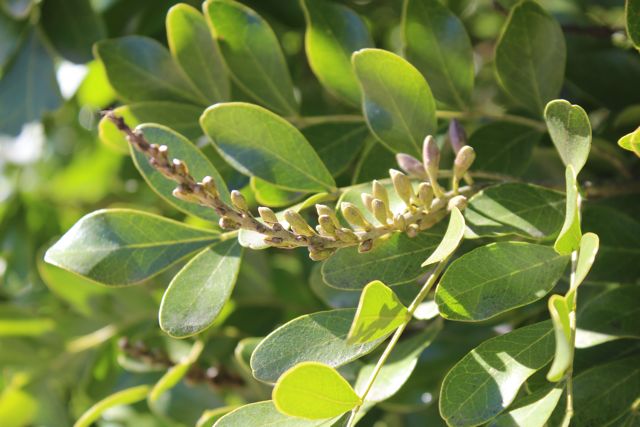
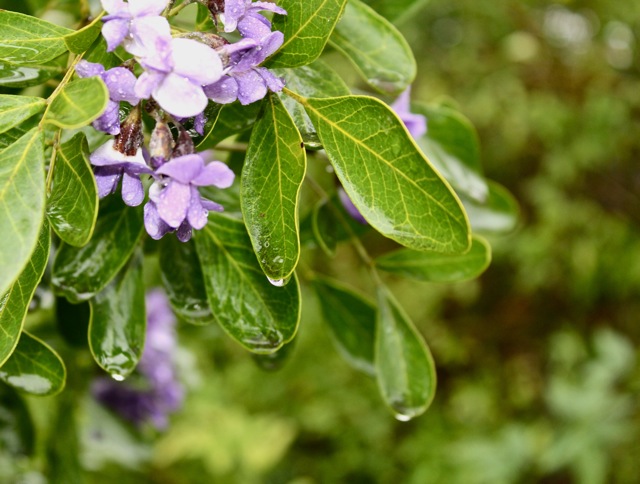
The mountain laurels are in full bloom here, and the row along the driveway is looking green and juicy with all the rain. And I can’t seem to get enough of their wonderful grape-like aroma, which conjures up summer Kool-aid memories for me.

My rain barrels are all full — which is great — but it’s still raining. I wish I had more of them, but we’re talking about getting a rainwater collection system. Maybe that needs to move up on my to-do list for next week so we don’t miss any more of this precious spring rain.

Are you enjoying some rejuvenating rain in your garden today?
Spring garden projects…

It’s spring. Well, okay, it’s not quite spring yet, but it’s spring here in Central Texas for all intents and purposes.

It’s time to start the vegetable garden, to amend the soil, to pull lots and lots of weeds. And, it’s time to start planning those garden projects that have been nagging at me all winter.

Let’s be clear, every single bed has a project of some sort. There are holes to fill where the drought decimated plants we thought were indestructible. There are holes to fill where the 3-day below freezing cold snap the winter before killed things or stunted them so much they were never the same last summer.

There are a lot of holes to fill.

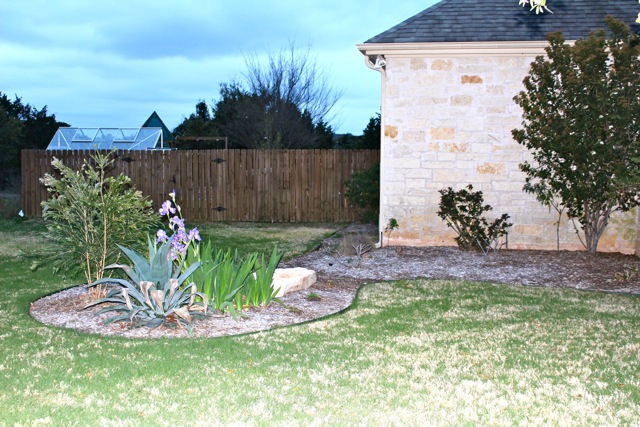
But this is an entire area that need revisiting. In the bed above, I actually started out with a plan and a vision of a tall, beautiful bottle brush tree with it’s deep red, wispy blooms set against the strong, structural contrast of a smooth blue agave with deep purple ‘May Night’ salvia scattered all around.

The best laid plans…

Three winters ago, I lost the first bottle brush tree and agave to an abnormally cold freeze. I’d planted the tree in the fall and wondered if it hadn’t had enough time to get established before the cold. So I replanted — another agave and a bigger tree — and I planted them in late spring.

Then we had another unusual cold snap and I lost the second tree. And the deer messed with many of my little salvias.

Early last summer, the bottle brush began to come back from the roots. After a few months I had a nice shrub…the same size as the agave. Not exactly the contrast I’d envisioned. In the meantime, a few irises I’d plopped in there began to grow and spread. And I hated the bottle brush shrub, but I didn’t want to kill it – it offends my gardening sensibilities to kill a plant with that much will to live.

A few weeks ago I pruned the bottle brush back into tree form. Multi-trunked, but still pretty and growing like crazy. The agave looks bad after one or two light freezes this winter, and it needs pruning. It’s also been taken over by the irises. (They are stunning right now) But they don’t go next to the agave – the form is too similar, their colors don’t work together…I could go on and on.

Further up the bed toward the house I originally had a dwarf crape myrtle in deep burgundy. It was literally cut in half by my guys on a pruning #fail. Some transplanted loropetalums didn’t survive there and there is one pathetic knock-out rose left hiding there.

This will be my first spring project. The bottle brush? Gonna keep pruning – it stays. The agave? I’ll prune it and think about it. The irises? They will move when the time is right. May night? Nah – something tougher will take their place. Some grasses might find their way there. I’m still hooked on the burgundy, deep purple, silvery gray color combo. Indigo spires would be delightful, but that’s a very windy spot and at their height, I fear they’d be whipped around like crazy there. But I know what I want there, so it will come together if I take my time.

I might even treat myself like one of my clients and draw out a plan.

Or not…

Stay tuned.

Two more beds to go…but I’ll save them for another day.

What’s your first garden project for this spring?

Early bloomers are putting on a show in the spring garden

Even though it’s only March, it’s already spring here in Central Texas.

After our exceptionally mild winter and welcome rains, the early bloomers are already hard at work in my garden.

In addition to the daffodils I included in my last post, many of the other perennials are already flowering.

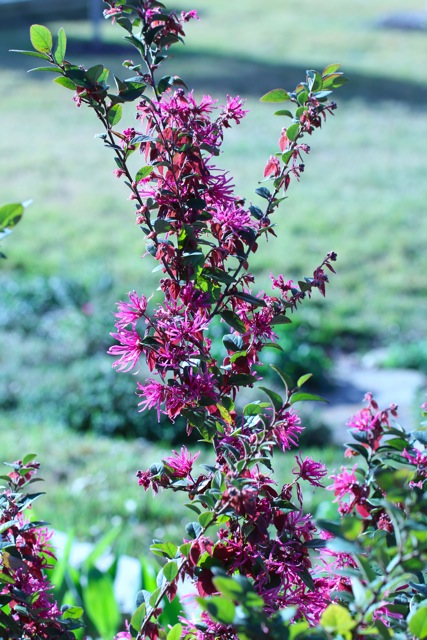
This loropetalum is bursting with hot pink fringe-like blooms.

It’s the one I’ve pruned to become a small tree.

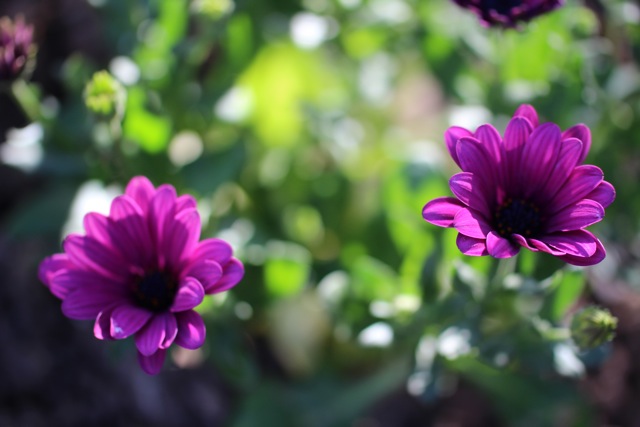
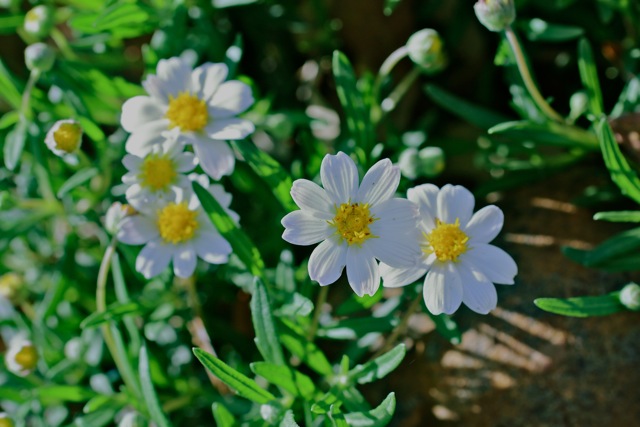
These pretty little blooms below called to me at the Natural Gardener last week.

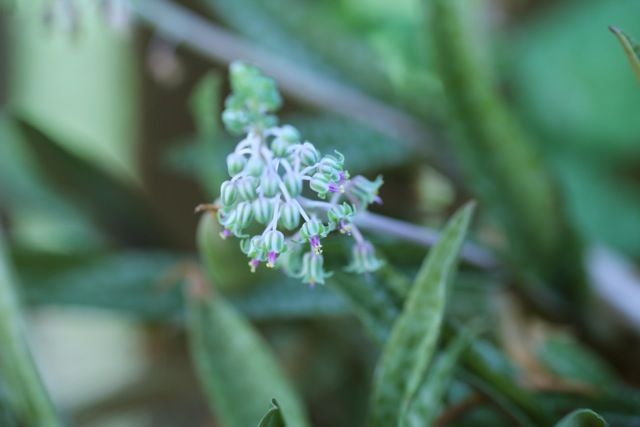
And as soon as I started typing, the name flew out of my head! I’m sure you know just what they are – they aren’t mums, they might be gaillardia.


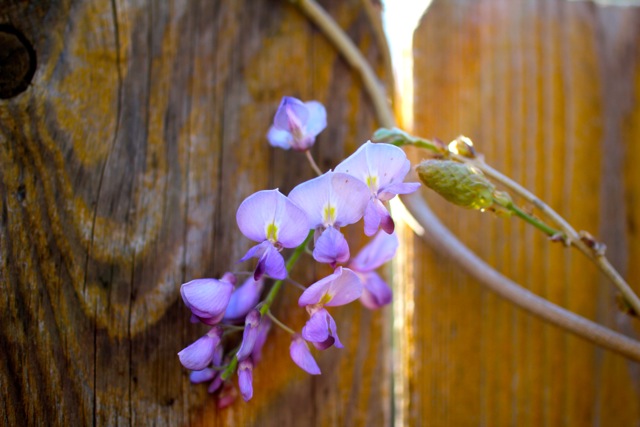
The wisteria is starting to bloom. Like last year, there is some growth on the back side of the fence, but there are plenty of buds for me to enjoy inside the fence.
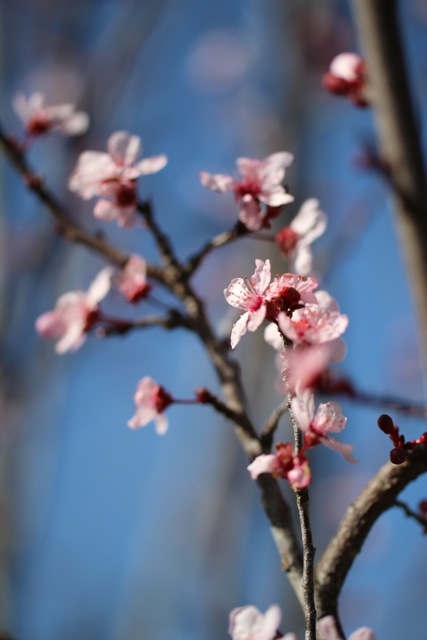
I love looking at the Mexican plum tree buds against the pretty blue sky.
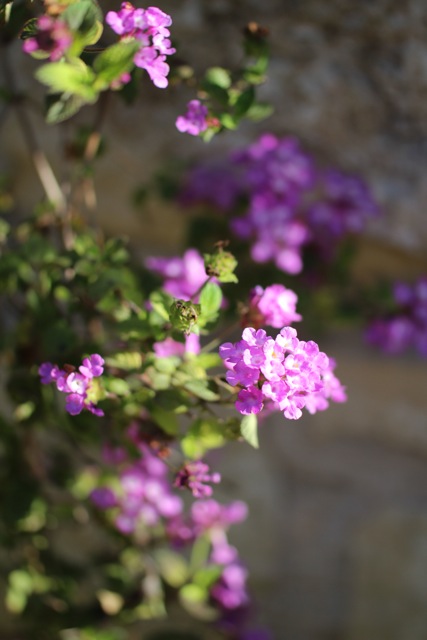
The stone wall makes a nice backdrop for the trailing lavender lantana behind the pool.
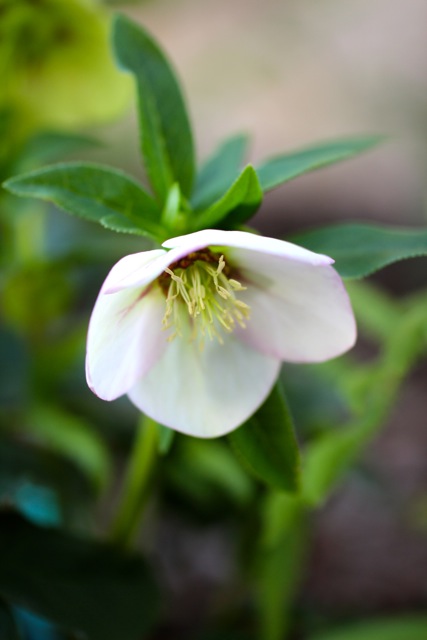
The hellebores would have preferred a colder winter, but some of them are giving me some blooms — this is ‘winter’s wren.’
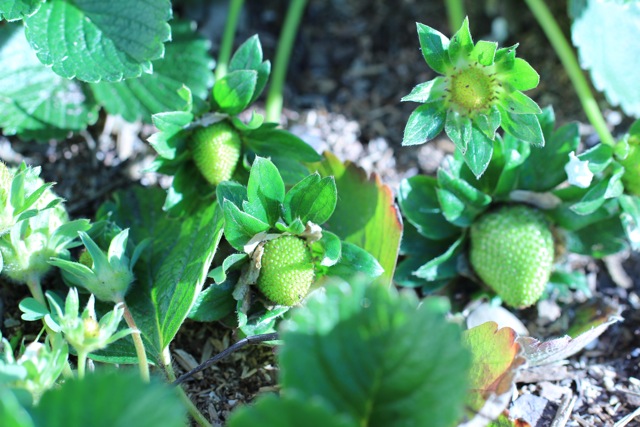
The strawberries are blooming their ever-loving heads off! Soon we will be able to eat more than one ripe one at a time. I long for the day when we get a small bowl full.
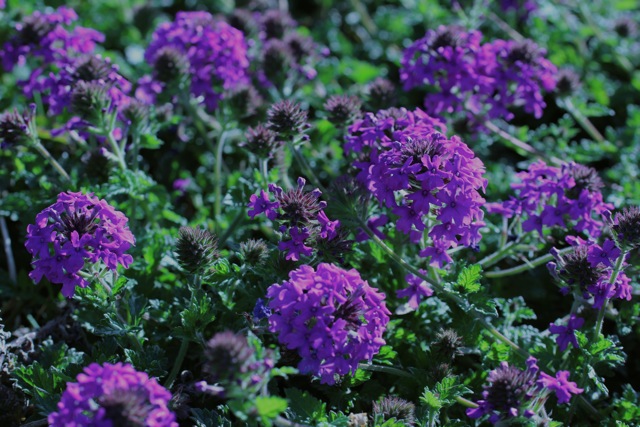
My absolute favorite low-grower is ‘homestead’ verbena. That bright purple color is just stunning.
All of my blackfoot daisies are back again from last year. You just can’t beat these little guys for drought tolerance.
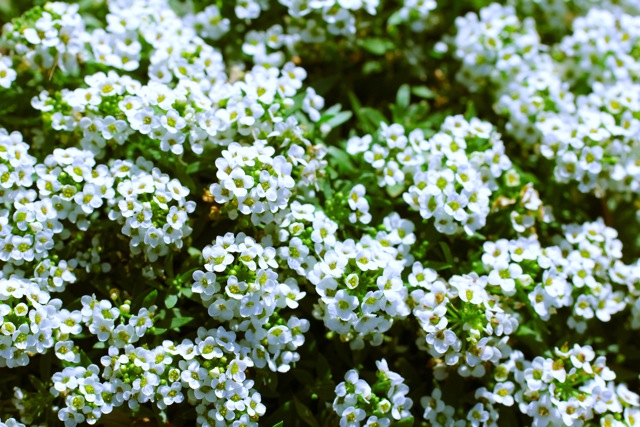
The alyssum is mounding up all over along the rock path already.

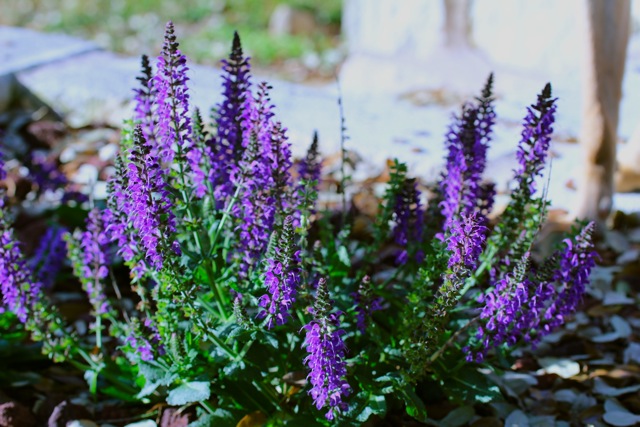
‘May night’ salvia can do great in the garden here, but my luck with them has been hit and miss. I love their low-growing form, but they are hard to get established.
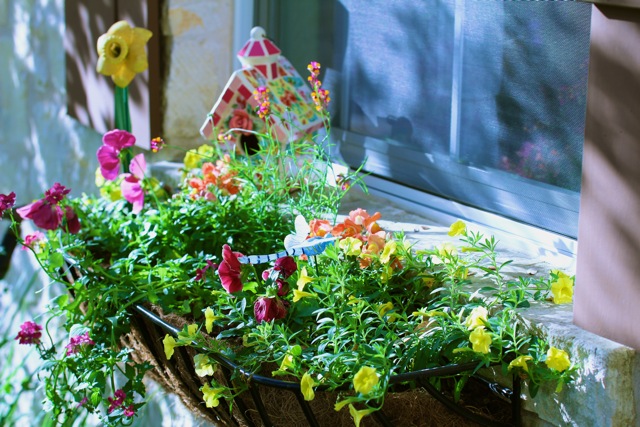
Kallie’s window box is full of little pretties that I got last weekend at the Natural Gardener.
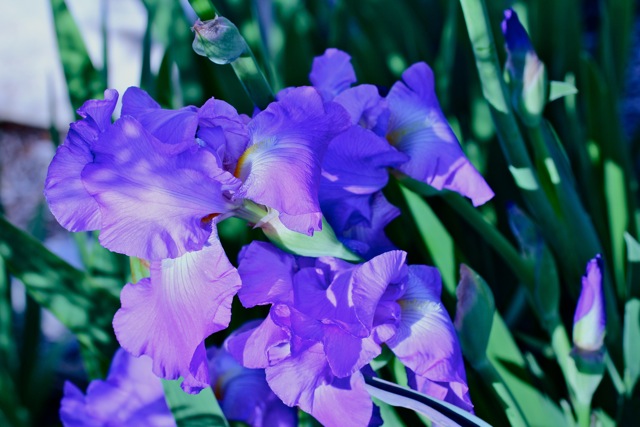
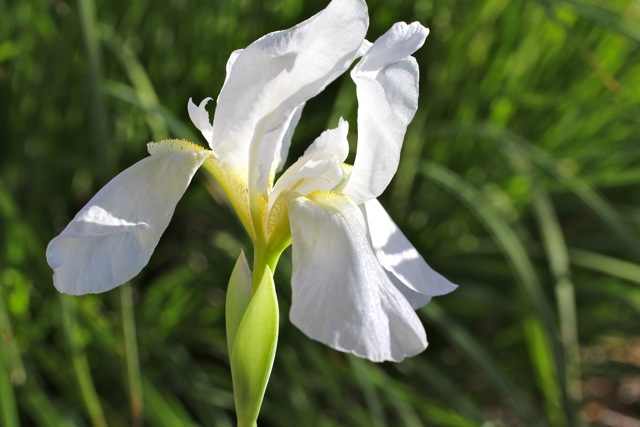
After some slacking last year, many of my irises are showing off for the first time. I don’t know the name of the purple or the white iris, though I believe the white one may be a pass along from Pam of Digging or Annie of The Transplantable Rose.

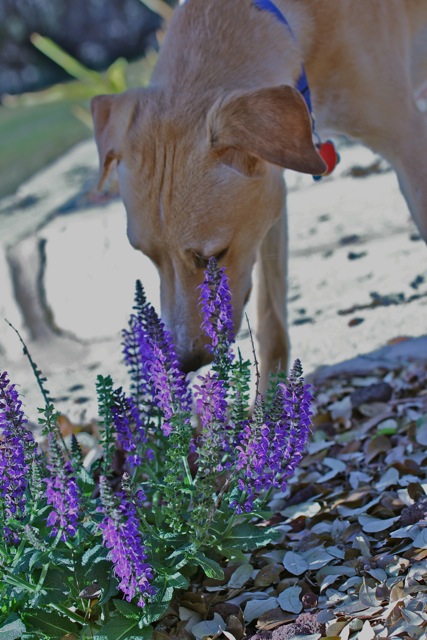
As always, Fletcher wanted to know what I was doing in the garden with that camera around my neck, so he had to come check out the salvia, too! I’m sure he thought there must be something edible in there!

Daffodils and spring bulbs in bloom…


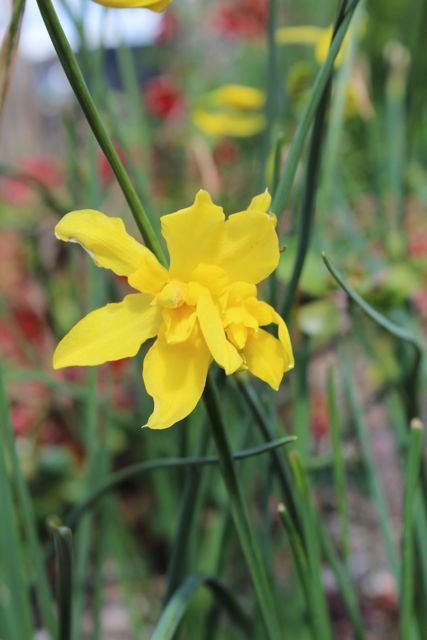
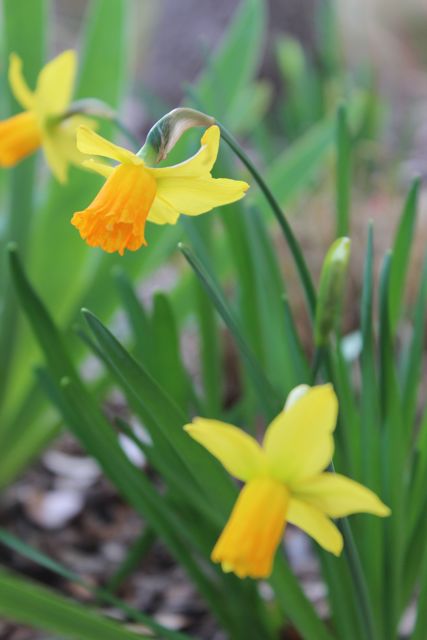
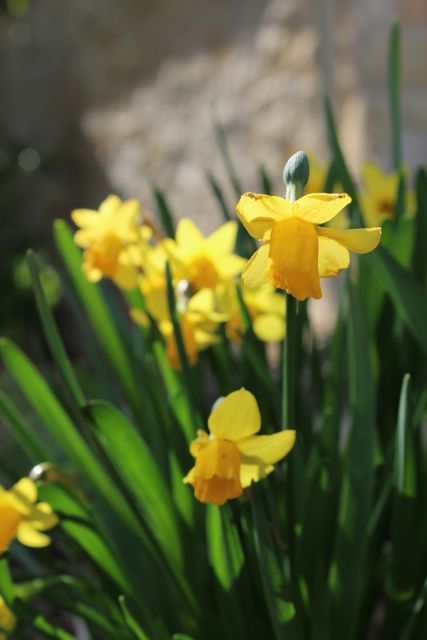
Almost all of my daffodils are up and putting on a spring show of blooms. Only one late-blooming variety is waiting to open. This one is a Double Campernelle, or Narcissus odorus plenus.
These are the ‘Yellow Fortune’ daffodils – I’ve lost quite a few of them in recent years – I suspect the drought has been hard on them.


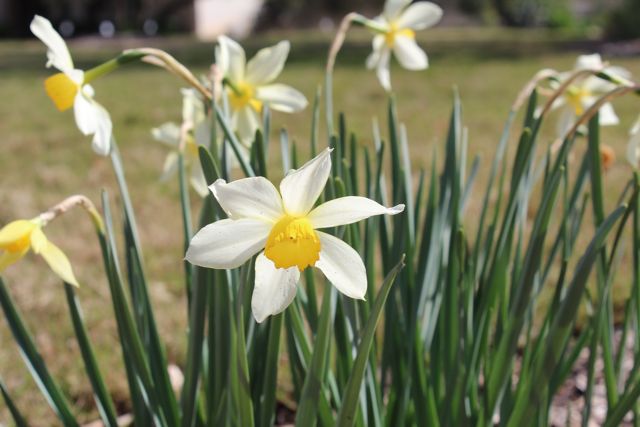
I cannot locate the label for these pretties right now – they are packed away in a massive garage clean-out before installation of cabinets next week (cabinets to hide away all my garden *stuff* that seemed to have taken over the garage). These are my first pale yellow daffodils and I must say I like them. They seem almost illuminated on a pretty day.

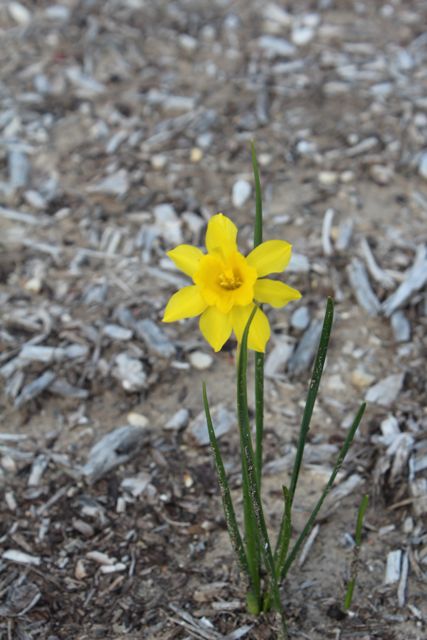
I think this is Jonquilla ‘Simplex’.

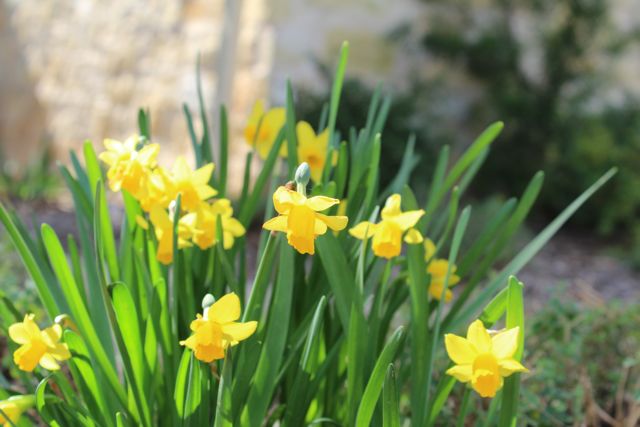
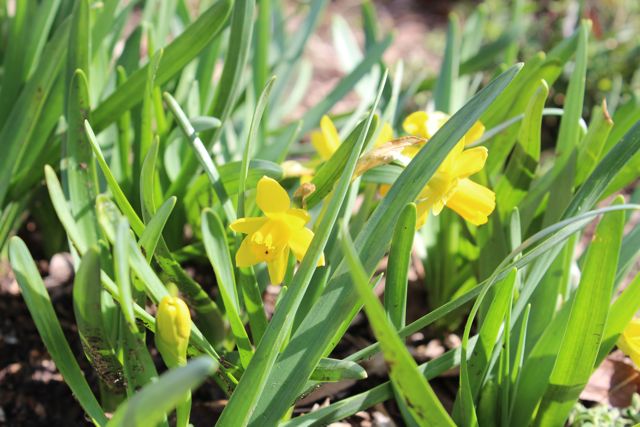
These are the lovely and always prolific “Tete a tete” — a shorter variety — about 8 inches tall and very dense.

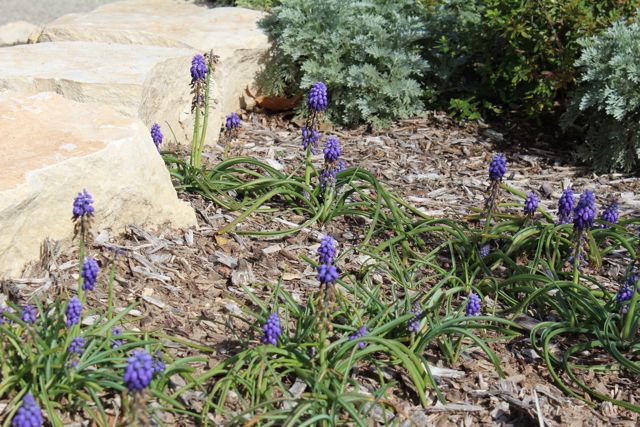
My new Muscari ‘Dark Eyes’ are all coming up and filling in nicely, making a pretty, purple textured carpet against the grey of the winter mulch.
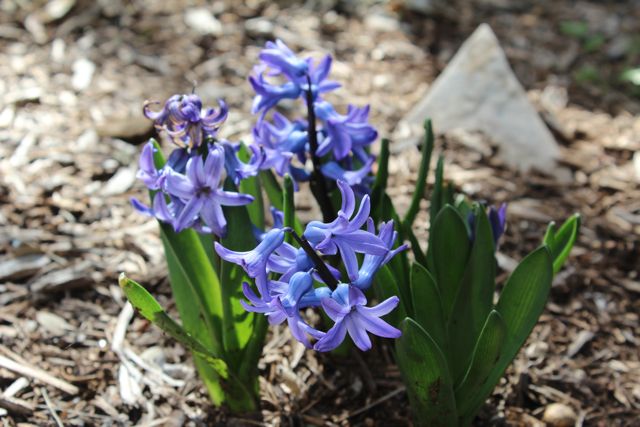
Pretty in purple are the hyacinths of unknown variety, courtesy of HEB’s indoor planter two years ago.
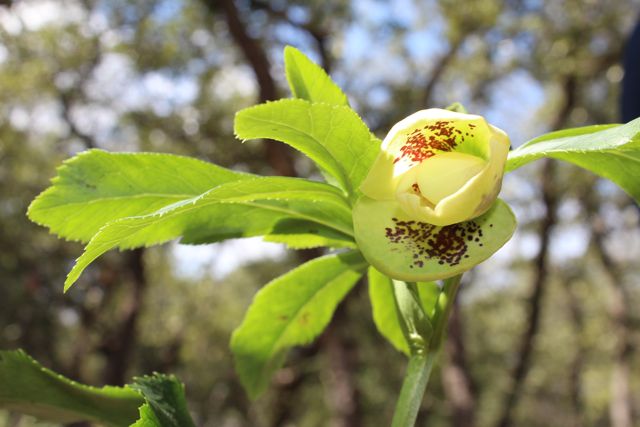
This Hellebore is Helleborus x hybridus `Gold Finch’ with beautiful contrast. I just had to have this one since we have so many goldfinches in the wooded garden bed where this is planted.
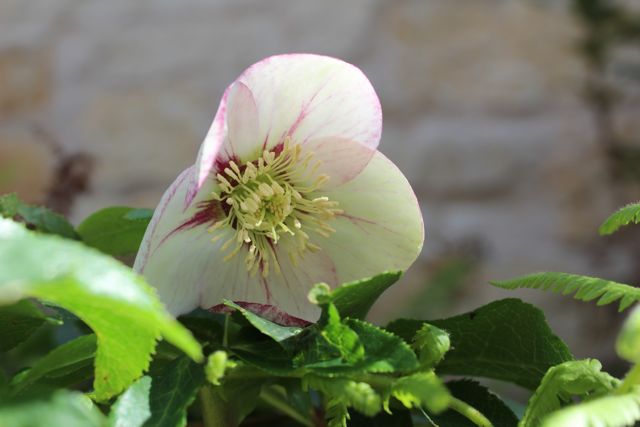
Another unlabeled Hellebore (also known as a Lenten Rose) — I just love those wispy markings in the center. They are hard to see and photograph, though, because of their growth habit and how they demurely keep their blooms bowed down. It also means I have to lie on the ground and hold up the foliage to try to get a photo.
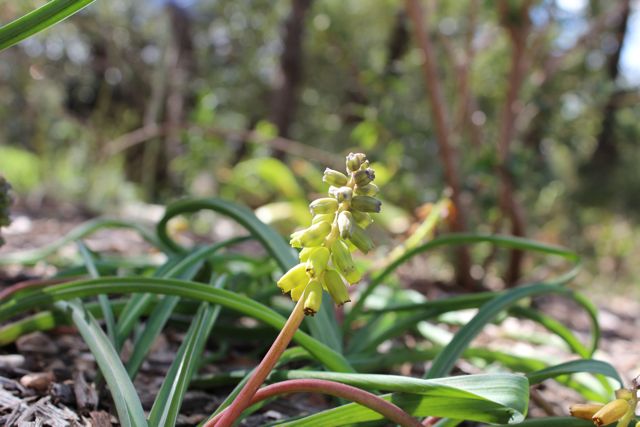
This is muscari golden fragrance. They are a delicate yellow and have a wonderful scent.

Everbearing strawberries ready to eat…

Ahhhh.
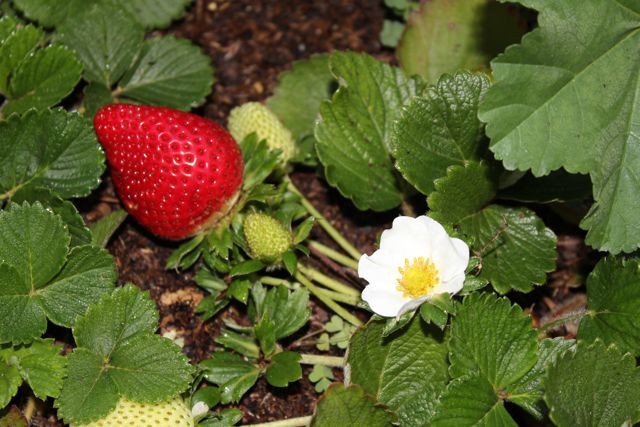
The ever-bearing strawberries are bearing again. Kallie ate the first red, ripe, sweet, incredibly juicy strawberry from the garden this week. She pronounced it delicious.
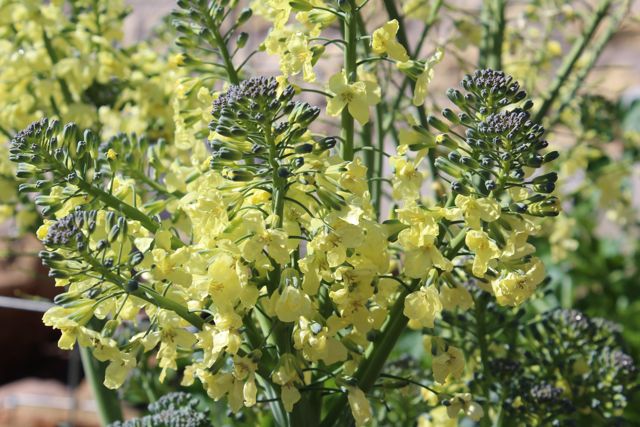
I’ve eaten some of this broccoli, really I have. And I have another plant that hasn’t bolted yet, so I will be eating that one, too. But I love letting some of them bloom because I think they are so pretty and delicate. Broccoli isn’t something I think of as delicate. In fact, when Kallie was little we used to call them trees at the dinner table. But the blooms are so different.
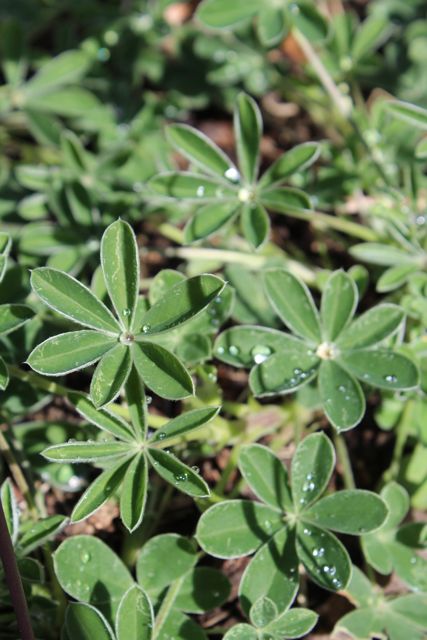
So close…The bluebonnets are just swelling up with foliar pride with all this delightful rain. I can’t wait to see them in all their blue splendor. They have self-seeded throughout the playscape pea gravel — it’s going to be a show.
I’ve seen many Texas mountain laurels blooming all over town, but mine are holding back just a little. Buds abound, though.

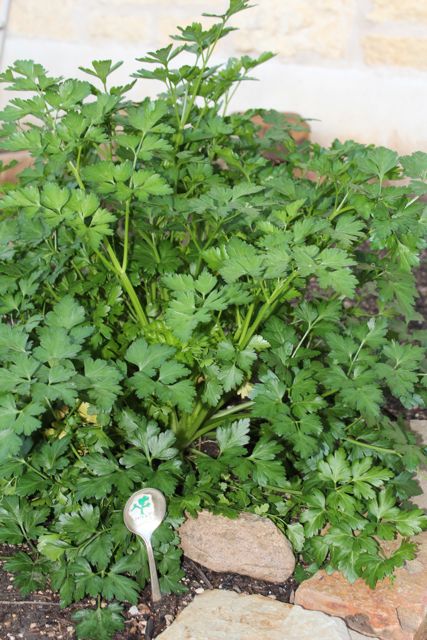
The Italian parsley is huge. I’m sure that the caterpillars are going to be very grateful when I have to turn it over to them. I’ll have to get out there and sneak some for myself before they get here.

Chickens, chickens everywhere…

No doubt about it, chickens are in.

With surging interest in home vegetable gardens and the growing sustainability movement, chickens are becoming very popular.

They are moving from the country to the hearts of cities as gardeners everywhere branch out into these “pets with benefits.”

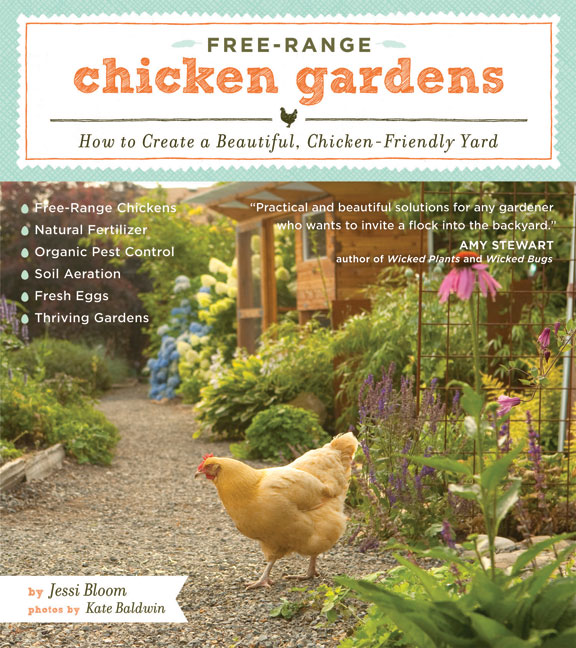
That’s how Jessi Bloom describes her chickens in her book, Free Range Chicken Gardens: How to Create a Beautiful, Chicken-Friendly Yard.

I’m fascinated by chickens. I don’t have any chickens, but my husband used to. About 57,000 of them. When he was a small boy growing up in the Midwest, his family raised chickens.

I’ve heard lots and lots of chicken tales.

Which I why I was eager to read Jessi’s book when Timber Press announced its contest to win a chicken garden start-up kit as part of its promotion of Free Range Chicken Gardens. They sent me the book to review and I got to learn everything I always wanted to know about chickens but was afraid to ask my husband!

Right now they are giving away a complete chicken garden start-up kit, including:

  • A $50 gift card for chicken feed or supplies from McMurray Hatchery
  • One chicken coop plan from The Garden Coop (a $20 value)
  • 1 lb. of organic chicken forage blend and seeds for chicken-friendly plants from Peaceful Valley Farm & Garden Supply (a $20 value)
  • A copy of Free-Range Chicken Gardens

I know my husband would like to have some chickens — maybe just 56,995 or so less of them than he used to. So I figured I’d better do a little research about the chicken and the egg.

Free Range Chicken Gardens is a fascinating and beautiful photographic journey through the chicken gardens of many families, combined with excellent and honest advice for anyone wanting to raise chickens.

It’s practical — it’s chock full of advice about the benefits of raising chickens and how to avoid the pitfalls of having them in a garden.

Bloom outlines the natural soil building capabilities of chickens and how they help to keep weeds and pests under control. In addition to the plants and habitat needed to raise chickens, she provides detailed information and even design plans focused on creating a successful chicken garden and keeping your “other” plants safe. Barriers and fencing and hedgerows are all reviewed with pros and cons. And she recommends a host of diverse plants for the chickens to hide in and browse around.

I had to laugh when I got to the chapter on “The Chicken Infrastructure.” It sounds so technical, but it’s all common sense advice about the 3 Cs of the chicken garden – the chicken coop, chicken run and chicken paddocks.

It also included specifics about the different breeds, where to get them, what to feed them and how to keep them safe from predators.

Free Range Chicken Gardens is filled with information, creative plans, and inspirational photos and stories of other loving chicken gardeners and their pets.

We have a no-chicken policy in our neighborhood, so I guess I won’t be getting any chickens soon.

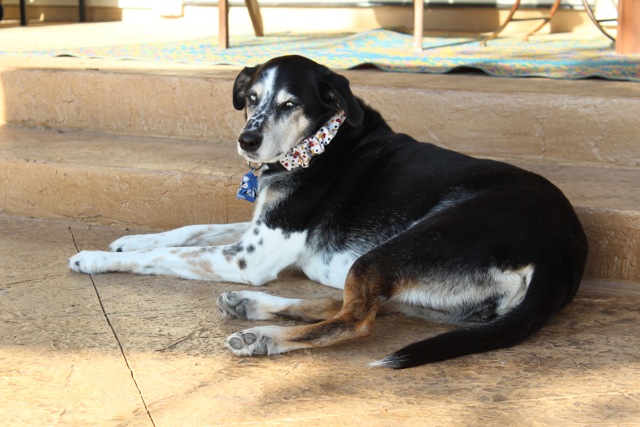
For now I’ll just have to settle for my other dirt-scratching, digging, plant-eating pet.

Miss Dakota.

Go to Top