
Plant This! Lyre leaf sage
This lovely spreading ground cover produces tall, electric blue blooms for 4-6 weeks in spring. 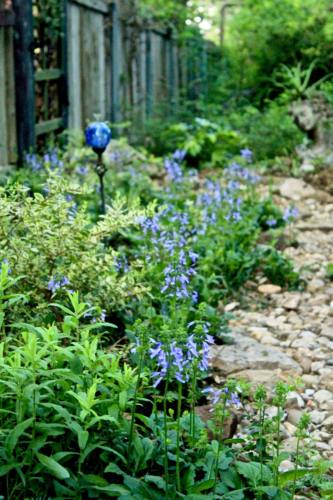 Perfect for any shady or semi-shady spot, lyre leaf sage shows off before much of the summer garden wakes up.
Green and purple foliage adds interest once the blooms have finished. About 1-2 feet tall when it blooms, it spreads quickly, so make sure you give it enough space to roam. I’ve planted it in my woodland shade garden, pairing it with ferns, black scallop ajuga, ground orchids and columbine.
Check it out – you’ll be glad you did.
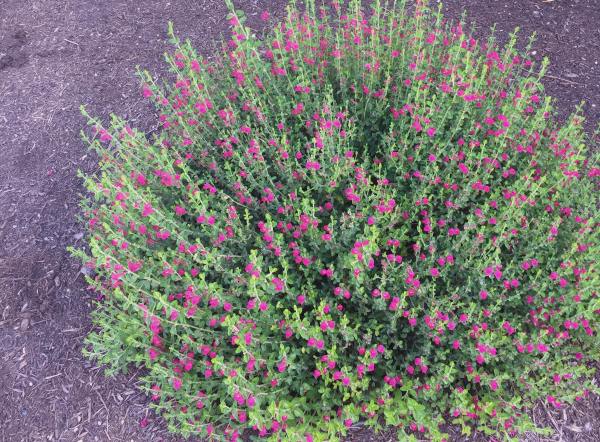
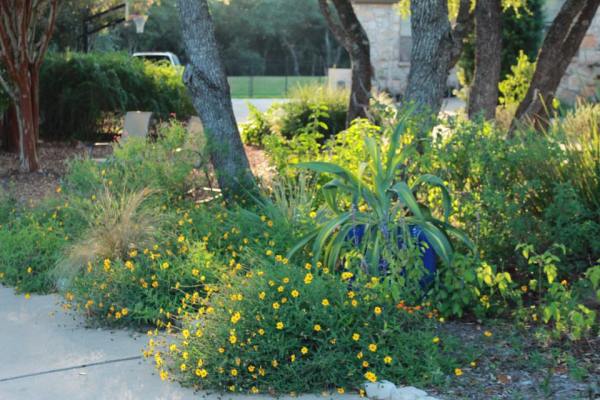 Plants grow, and some of them grow a lot once they’re out of that tiny pot you bought and nestled in your lovely garden. Planting too close together creates more work later as you struggle to prune all the time or are forced to remove plants to allow enough space for them all to thrive. Believe nursery tags and nursery staff and follow the guidelines in your research.
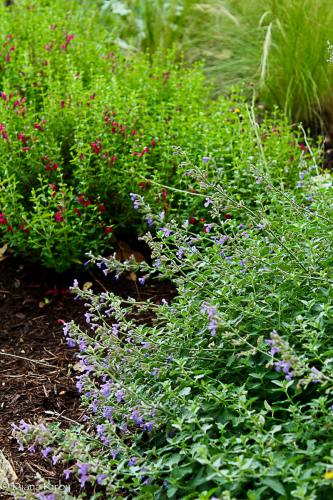 The plants in the front of your layered beds will be ground covers or border plants. For most gardens, these plants typically don’t get much bigger than about 18” tall. There are, of course, exceptions, depending on the overall scope and proportion of the landscape, whether it’s a very small space or a sizeable piece of property. The true test is how they will look in comparison to the next line or area of plants behind them in the bed. Border plants should provide a contrast in size between layers and should look good together, combining different colors, textures and shapes.
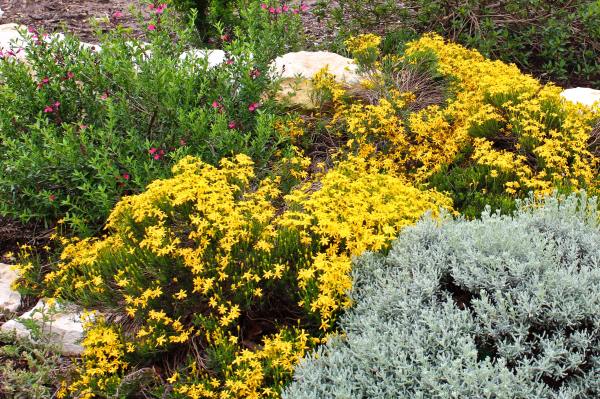 The terms full sun, full shade, part sun, part shade are associated with specific amounts. Full sun means a site gets at least 6 full hours of sun most days. But, here in Central Texas, some plants labeled full sun may still struggle if that’s all blistering afternoon sun. Do your research to determine if there are any limits on tolerance that might apply.
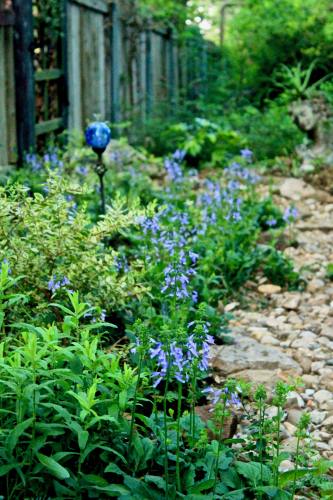 Full shade doesn’t mean no sun at all. Labels calling for full shade conditions refer to less than 3 hours of sunlight each day, and filtered light the remainder of the day. In the Austin area, those 3 hours simply cannot fully expose plants in the heat of the day. A little dappled morning light and good afternoon shade is a much better guide for us.
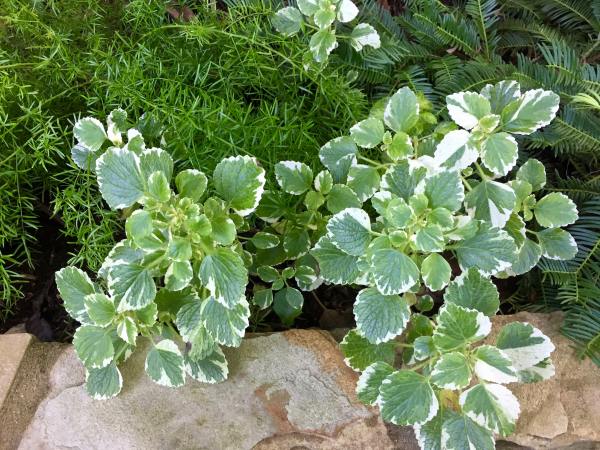 Border plants don’t have to be planted in a straight line. You can also cluster plants in sections according to size, color or texture. Place them in drifts in front of the next section of larger plants based on which ones look best together.
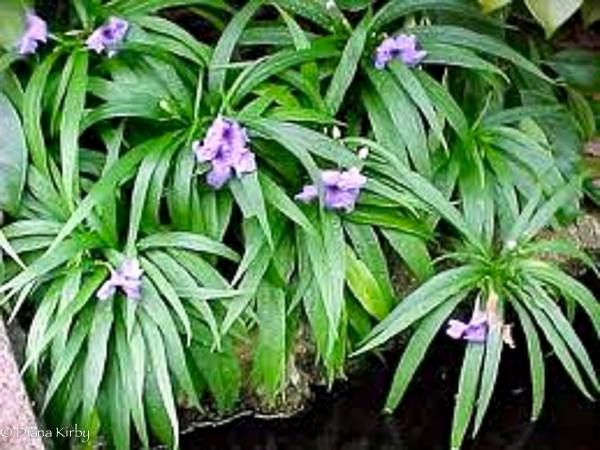 Many annuals also make excellent border plants, adding color and interest at specific times through the year and allowing you to change out your look with the seasons.